🌾 Fresh-Milled Flour Is Back: Why Home Bakers Are Grinding Their Own Grain Again

The newest obsession in home baking starts before the dough, before the starter and even before the flour: with the grain itself.
```First we started grinding our own coffee.
Then we made sourdough starter.
Then somebody looked at a bag of flour and thought: “I can probably make this more complicated.”
And somehow… they were right. 🌾
Fresh-milled flour is finding a new generation of devoted bakers who are skipping the flour aisle, buying whole wheat berries and other grains, and grinding exactly what they need at home.
It sounds like something your great-great-grandmother might have considered a completely unnecessary return to manual labor. But put a sleek countertop grain mill beside a sourdough crock, call the wheat an heirloom variety and suddenly we are very interested.
And the appeal goes far beyond nostalgia.
Fresh milling gives bakers more control over flavor, grain variety, texture and freshness. It turns flour from a generic white powder into an ingredient with personality.
Wheat can taste nutty. Rye can be earthy and almost spicy. Spelt can bring sweetness. Buckwheat can be bold and aromatic. Corn can taste vividly like… well, corn.
Apparently flour had a personality this entire time. We just weren't properly introduced.
“Fresh-milled flour turns baking from ‘Which bag should I buy?’ into ‘What do I want this loaf to taste like?’”
🌾 So… What Exactly Is Fresh-Milled Flour?
Fresh-milled flour is exactly what it sounds like: whole grains are ground into flour shortly before the flour is used for baking.
Instead of buying a bag that was milled, packaged, transported and stored before arriving in your kitchen, home millers keep intact grain kernels—often called wheat berries—and grind a portion whenever they want to bake.
In whole-grain milling, the flour includes the grain's bran, germ and endosperm. These contribute different flavors, textures and baking characteristics.
Think of it as the difference between buying pre-ground coffee and grinding the beans moments before brewing.
Same basic ingredient.
Very different level of obsession.
🍞 Flavor Is the Big Revelation
Ask fresh-flour enthusiasts why they own a grain mill and the conversation quickly turns to flavor.
That's because “whole wheat” isn't really one flavor.
Different grains—and even different varieties of wheat—can bring dramatically different characteristics to bread, pancakes, cookies and pastry.
🌾 Your Grain Cabinet Suddenly Becomes a Flavor Cabinet
```Hard wheat → robust, wheaty and ideal for structured breads
Spelt → softly sweet, nutty and aromatic
Rye → earthy, deep and distinctive
Einkorn → golden, rich and gently nutty
Buckwheat → bold, earthy and slightly bittersweet
Corn → sweet, fragrant and wonderful for cornbread, muffins and rustic cakes
```Once bakers start thinking this way, flour stops being invisible.
Instead of simply asking, “Bread flour or all-purpose?”, you can start thinking about the actual flavor profile of the bake.
Which is dangerously close to becoming a grain sommelier.
Give it six months and you'll be telling dinner guests, “You'll notice the rye has a particularly expressive finish.”
🥖 Sourdough Started the Conversation. Grain Is Taking It Further.
The modern home-bread movement taught millions of people to care about things they previously had absolutely no intention of discussing at parties.
Hydration percentages.
Fermentation times.
Crumb structure.
Whether Gerald the sourdough starter seems “a little sleepy today.”
Fresh milling is a natural next step.
Once you've spent two days carefully fermenting a loaf, it isn't unreasonable to become curious about the primary ingredient making up most of that loaf.
Where was the grain grown?
What variety is it?
What happens if you blend wheat with rye?
What if you mill it slightly coarser?
At this point, the innocent Saturday bread project has become agricultural research.
We support it. 🔬🌾
☕ It's the Coffee-Bean Logic of Baking
The easiest way to understand the appeal of home milling is to look at coffee.
Plenty of us happily buy whole beans because we know freshly ground coffee can offer a more expressive aroma and flavor.
Grain lovers make essentially the same argument about flour.
Grinding opens up the grain. Once the kernel has been broken apart, more surface area is exposed to air, and the oils found naturally in whole grains become more vulnerable to oxidation over time.
This is also why intact grains generally keep longer than whole-grain flour.
The home-milling solution is beautifully simple: store the grain whole and grind only what you plan to use.
It is meal prep for people who find normal meal prep insufficiently niche.
🥐 Fresh Flour Isn't Just for Rustic Bread
This is where fresh milling gets especially interesting.
The immediate image may be a gigantic, extremely responsible-looking loaf of whole-grain sourdough.
But freshly milled grains can move far beyond the bread basket.
Try wheat, spelt or buckwheat for more aroma and depth.
Nutty whole grains work beautifully with chocolate, brown butter, oats and warm spices.
An easy place to experiment without committing to a 36-hour fermentation schedule.
Grain choice can add another layer of flavor before the sauce even arrives.
Freshly ground cornmeal makes grain flavor the centerpiece rather than the background.
In other words, buying a grain mill solely for sourdough is a little like buying excellent olive oil and declaring that it may only speak to tomatoes.
Let it mingle.
🌾 Ancient Grains Suddenly Feel Very Modern
Home milling also opens the door to grains beyond conventional wheat.
Spelt, einkorn, rye, emmer, buckwheat, barley and other grains give bakers a much larger palette of flavors and textures to explore.
There is something wonderfully contradictory about the whole thing.
A sleek electric countertop machine is being used to revive one of the oldest food-processing techniques imaginable.
Very 2026.
We would like our ancient grain, please, but could it come with adjustable settings and fit beneath the kitchen cabinets?
🍪 The Surprise Star: Fresh-Milled Cookies
Bread may get the headlines, but cookies are where skeptical people can be converted remarkably quickly.
Whole grains naturally pair with flavors already beloved in baking: toasted nuts, butter, dark chocolate, caramel, honey and warm spices.
Imagine:
🍫 Spelt chocolate-chunk cookies
🌾 Whole-wheat shortbread with flaky salt
🍯 Einkorn honey cookies
🌰 Rye cookies with brown butter and hazelnuts
🍓 Buckwheat cookies sandwiching strawberry jam
These aren't cookies reluctantly accepting whole grains for moral reasons.
The grain is there because it tastes good.
A much more persuasive argument.
🥯 Breakfast Might Be Fresh Milling's Perfect Playground
If grinding grain before dawn sounds excessively committed, we're not suggesting you become a pioneer before coffee.
But breakfast foods are exceptionally friendly to freshly milled flour.
Pancakes, waffles, muffins, biscuits and quick breads allow bakers to experiment with grain blends without learning advanced bread fermentation.
Try a little spelt in pancakes.
Rye in a blueberry muffin.
Fresh cornmeal in waffles.
Suddenly breakfast has terroir.
Your toaster was not emotionally prepared for this development.
🏡 Why Home Milling Feels Different From Another Kitchen Gadget
Most kitchen appliances promise to do work for us.
The grain mill is a little different.
It gives us control.
You choose the grain.
You choose the blend.
You decide how much to mill.
Depending on the mill, you may also be able to experiment with texture, moving from fine flour toward a coarser meal.
For people who already enjoy sourdough, coffee, fermentation, gardening or farmers markets, this kind of hands-on ingredient control makes intuitive sense.
It turns baking into something slightly more tactile and connected to the raw ingredient.
Also, pouring wheat berries into a mill and watching flour appear is weirdly satisfying.
We don't need to intellectualize everything.
🫙 And the Pantry Gets Much More Beautiful
There is a visual side to the trend too.
Instead of half-open paper bags of flour collapsing dramatically against one another, whole grains can be stored in airtight jars and containers.
Wheat berries.
Rye.
Spelt.
Corn.
Buckwheat.
Suddenly your pantry looks less like emergency baking storage and more like a tiny grain library.
Beauty and usefulness finally agree on something.
👨🍳 Restaurants Have a Reason to Care, Too
The renewed interest in grain isn't only relevant to home bakers.
For restaurants, bakeries and cafés, putting more attention on flour can transform a familiar item—bread—into part of the restaurant's identity.
A house loaf made with an unusual grain blend can become memorable.
A rye biscuit can communicate the style of a brunch menu before the entrée appears.
Cornbread made from flavorful cornmeal can feel like a composed dish rather than obligatory bread service.
And once restaurants start talking about the grain variety, farmer, mill or flour blend, bread moves from background carbohydrate to something guests actually discuss.
🍞 Restaurant Menu Possibilities
```House-milled sourdough + cultured butter
Rye crackers + smoked fish spread
Fresh-milled corn biscuits + hot honey
Spelt focaccia + whipped ricotta
Einkorn flatbread + seasonal vegetables
Buckwheat shortbread + berries + crème fraîche
```🍽️ If the Bread Took This Much Effort, Please Don't Put It on a Tiny Side Plate
Fresh-milled baking also happens to fit beautifully with one of the strongest directions in modern tabletop styling: warm, tactile, natural-looking materials.
Artisan bread doesn't necessarily want pristine formality.
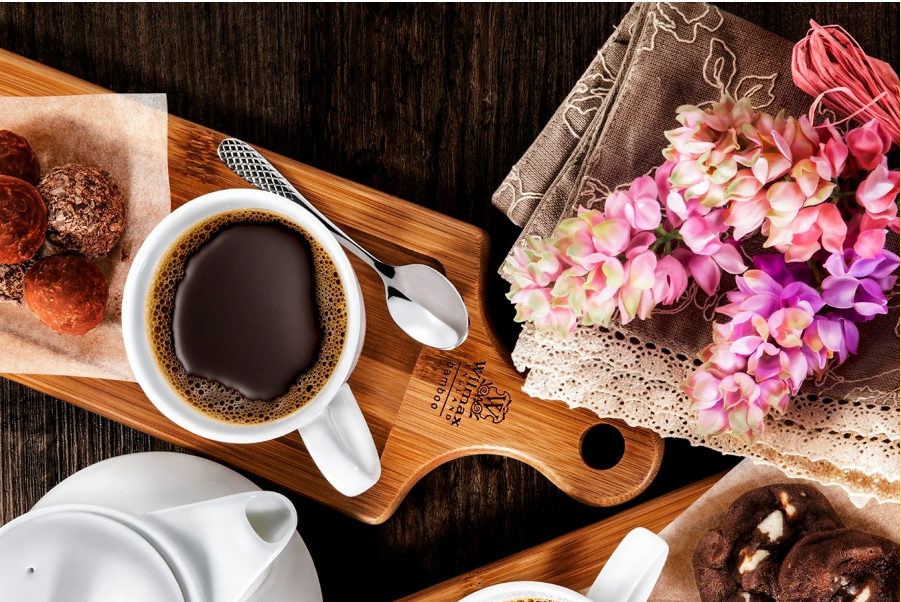
It looks at home beside textured ceramics, woven baskets, wooden serving boards, linen napkins and generously sized sharing plates.
🎨 The Fresh-Milled Table
```Warm white stoneware → dark rye and deeply baked sourdough
Natural wood boards → rustic loaves, focaccia and flatbread
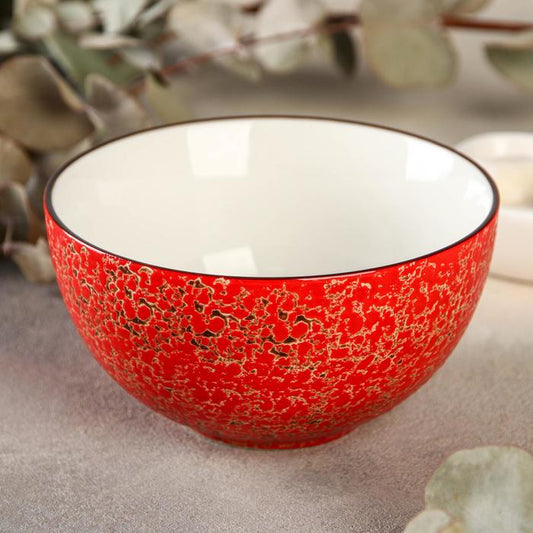
Deep earthy ceramics → golden biscuits and cornbread
Small ramekins → cultured butter, honey, preserves and olive oil
Woven bread baskets → casual tables and shared dining
Linen napkins → because apparently once we mill our own grain, we become a little bit pastoral
```🧈 Bread Service Is Becoming a Course Again
There is something especially compelling about bread when restaurants treat it as an experience rather than a free object placed beside the water glass.
Give the bread a story.
Give it a substantial plate or basket.
Give it whipped butter, cultured butter, herb butter, honey butter or an excellent olive oil.
Suddenly the first five minutes at the table feel intentional.
And if the loaf happens to be made with freshly milled grain?
Even better.
The bread basket has character development now.
🥣 Fresh Milling Is Also About Texture
Milling at home allows bakers to think beyond simply “flour.”
Some applications benefit from a fine texture.
Others can embrace something more rustic.
A coarse grain component can bring character to crackers, porridges, breads and rustic pastries.
This opens another layer of experimentation:
not just which grain?
but what texture?
At this point you have officially crossed over from “person who bakes” to “person whose friends know not to casually ask about flour unless they have 40 minutes.”
🌱 It's Part of a Bigger Desire to Know Our Ingredients
Fresh milling also makes sense within a broader food movement.
People increasingly want ingredients to feel less anonymous.
We care about where coffee came from.
Which olive produced our olive oil.
What variety of tomato we're buying.
Which apple went into the cider.
Grain is beginning to receive the same curiosity.
Instead of flour simply being flour, bakers can think about variety, origin, flavor and how each grain behaves.
That's a small shift with surprisingly big creative possibilities.
🥖 Do You Actually Need to Mill All Your Own Flour?
Absolutely not.
This is baking, not a loyalty oath.
One of the easiest ways to experiment with fresh-milled flour is simply to use it as part of a blend.
🌾 Add some freshly milled wheat to your usual bread flour.
```🌾 Blend rye into a sourdough loaf.
🌾 Try spelt in pancakes or muffins.
🌾 Use fresh cornmeal for cornbread.
🌾 Experiment with buckwheat in cookies or cakes.
```You do not have to move to a farm, construct a stone oven and begin referring to supermarkets as “town.”
Start with one grain.
🫙 A Note About Freshness and Storage
One advantage of keeping grains intact is that whole kernels generally store longer than flour.
Once grain has been milled, its oils have greater exposure to air, so whole-grain flour deserves a little more attention when it comes to storage.
The basic strategy is refreshingly uncomplicated:
The entire philosophy is essentially: grain waits; flour doesn't need to.
📸 Naturally, Fresh-Milled Baking Is Extremely Photogenic
We cannot discuss a modern food obsession without addressing its ability to look excellent on the internet.
Fortunately, fresh-milled baking understands the assignment.
Golden wheat berries spilling from a glass jar.
Fresh flour falling from the mill.
Flour-dusted wooden surfaces.
A deeply browned sourdough loaf cracked open to reveal a warm crumb.
A little stoneware butter dish nearby.
The whole visual language is warm, tactile, handmade and just rustic enough.
Somewhere, a linen manufacturer is quietly thrilled.
📷 The Perfect Fresh-Milled Bread Shot
```One crusty loaf + one textured serving board + torn bread rather than perfect slices + soft butter + grain scattered casually enough to look accidental but deliberately enough not to require vacuuming afterward.
```🍽️ The New Luxury Might Be a Really Good Loaf of Bread
Food luxury has been changing.
It doesn't always mean rare ingredients, elaborate plating or techniques that require twelve culinary interns.
Increasingly, luxury can mean attention.
Knowing the variety of grain.
Milling it fresh.
Fermenting the dough slowly.
Baking one excellent loaf.
Serving it warm on a beautiful plate with really good butter.
That's not complicated luxury.
It's ingredient-first luxury.
✨ The Bigger Trend: We're Going Backward—and Forward at the Same Time
Fresh milling captures something fascinating about modern food culture.
We have more convenience than ever before, yet many of the culinary experiences people find most rewarding involve deliberately adding a step back in.
Grinding coffee.
Fermenting vegetables.
Growing herbs.
Making sourdough.
And now, for a growing group of serious home bakers, milling flour.
Not because we have forgotten that supermarkets exist.
Because sometimes doing one part ourselves changes the way we understand—and enjoy—the finished food.
🌾 Final Bite: Flour Doesn't Have to Be the Boring Part
Fresh-milled flour asks bakers to reconsider one of the most familiar ingredients in the kitchen.
Flour doesn't have to arrive as an anonymous bag of white powder.
It can begin as golden wheat berries, dark rye kernels, pale spelt or vividly colored corn.
It can contribute aroma, flavor, texture and character.
And perhaps that's the real appeal of the fresh-milling revival.
It makes something ordinary feel interesting again.
For home bakers, that means another world of experimenting.
For bakeries and restaurants, it means another opportunity to turn bread into an experience.
And for the rest of us?
It means the person who was already talking about their sourdough starter now has several new grains to tell us about.
We knew this day would come. 🌾😌
Grain. Mill. Flour. Dough. Bread. 🍞
```Sometimes the most exciting new baking trend is simply rediscovering where bread begins.
```Fresh-milled flour is making a comeback as home bakers rediscover the flavor and creativity of grinding whole grains themselves. 🌾 From artisan sourdough and rye cookies to pancakes, cornbread and restaurant-worthy bread service, discover why wheat berries, ancient grains and countertop grain mills are bringing a fresh perspective to modern baking.
```