Negative Space Is Getting Warmer: The New Minimalist Plating Doesn’t Feel Cold Anymore

🌾 Modern minimalist plating is moving beyond sterile white plates and microscopic portions, embracing warm ceramics, natural textures, softer arrangements, and food that still looks generous enough to eat.
Minimalist plating once had a reputation for being a little emotionally unavailable. One perfect scallop sat alone on a vast white plate. Three drops of sauce formed a suspiciously precise triangle. A pea shoot leaned against something architectural. The whole composition looked expensive, technically impressive, and slightly concerned that you might touch it.
But minimalist plating is changing. Negative space is still important, restraint is still fashionable, and chefs are not suddenly stacking food into edible skyscrapers again. The difference is that today’s minimalist plates feel softer, warmer, and more inviting.
Instead of stark white porcelain and rigid geometry, modern restaurant plating is leaning into handcrafted ceramics, earthy colors, subtle asymmetry, natural garnishes, and compositions that feel calm rather than clinical. Empty space is no longer there to make the diner feel intimidated. It is there to give the ingredients room to breathe.
The new approach still understands the power of less. It simply no longer believes that “less” must look lonely.
🤍 What Is Negative Space in Food Plating?
In food presentation, negative space refers to the open area surrounding the food. It is the intentionally empty portion of the plate that helps direct attention toward the main ingredients. Used well, it creates clarity, focus, balance, and a sense of refinement.
It is the visual pause between elements — the culinary equivalent of taking a breath before saying something important.
Negative space can make a beautifully cooked ingredient look more valuable. A single roasted carrot becomes sculptural when it is not buried beneath six unrelated garnishes. A slice of fish feels more deliberate when the sauce, vegetables, and herbs are arranged with purpose rather than assembled like everyone arrived at the plate at the same time.
The problem was never negative space itself. The problem was that minimalist plating sometimes confused restraint with emotional distance. Plates could look polished but chilly, dramatic but joyless, immaculate but vaguely unfinished.
✨ The new minimalist plating trend keeps the visual breathing room but replaces the coldness with texture, warmth, and appetite.
🌾 Minimalism Is Moving Away from the Laboratory Look
For years, one version of fine-dining minimalism dominated food photography and restaurant plating. It favored oversized white plates, immaculate surfaces, precise dots, sharp lines, and portions that looked as though they had recently completed a very exclusive meditation retreat.
This style was effective because it made every detail visible. It emphasized technique, control, and precision. But over time, diners began craving something more tactile and emotionally satisfying.
Today’s guests are drawn to food that still looks intentional but also feels human. They want the elegance of careful plating without the impression that a ruler was involved. They want dishes that appear composed, not confiscated.
That shift is producing a warmer version of minimalism — one built around natural color, relaxed asymmetry, visible texture, and a more generous sense of hospitality.
🏺 Warm Ceramics Are Replacing Stark White Porcelain
One of the clearest changes in minimalist food presentation is the plate itself. Bright white porcelain still has a place, but it is no longer the automatic choice for every sophisticated dish.
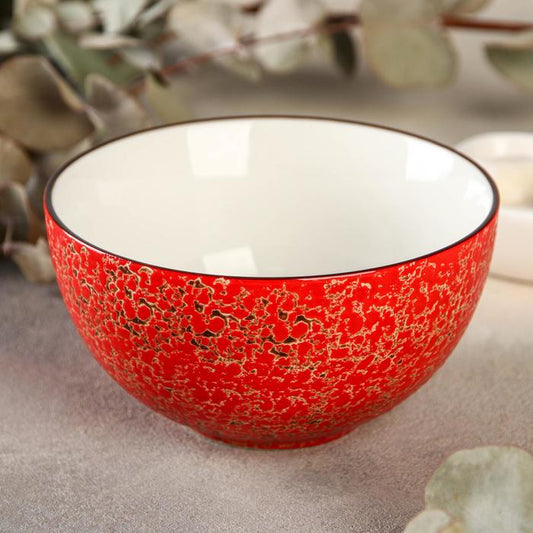
Chefs and restaurant designers are increasingly choosing plates in warm ivory, sand, stone, clay, oatmeal, smoke, olive, muted charcoal, and soft terracotta. These tones create contrast without making the food feel isolated.
A, and soft terracotta. These tones create contrast without making the food feel isolated grilled fish fillet on a warm beige plate feels elegant but relaxed. Roasted vegetables on speckled stoneware look grounded and seasonal. A creamy dessert on matte brown ceramic feels rich and intimate instead of sterile.
The plate becomes part of the atmosphere. It does not simply hold the food. It gives the dish context.
Warm minimalist tableware often features:
```• matte ceramic surfaces
• hand-finished edges
• soft ivory glazes
• natural speckling
• sand and clay tones
• irregular organic shapes
• muted earthy colors
• softly raised rims
• visible glaze variation
• tactile handcrafted texture
These details soften the surrounding negative space. The empty area remains, but it no longer feels blank. The texture and tone of the ceramic give it visual life.
🎨 Color Is Returning — Quietly
Warmer minimalist plating does not mean covering every plate in a rainbow of microgreens. The color palette remains controlled, but it is becoming richer and more natural.
Deep green herb oils, golden sauces, roasted orange vegetables, burgundy fruit, toasted grains, dark glazes, and pale creamy purées bring warmth without creating clutter. The colors often come directly from the ingredients rather than from decorative elements added purely for visual impact.
This gives the plate more emotional depth. A muted palette can still feel luxurious, but it also feels edible. It reminds diners that they are looking at dinner, not submitting an application to an art foundation.
The goal is no longer to make food look untouched. The goal is to make it look irresistible without making it look crowded.
🌿 Garnishes Are Becoming More Natural and Purposeful
The garnish has also changed. Earlier minimalist plating often relied on tiny leaves, isolated flowers, carefully placed dots, or mysterious powders whose primary job appeared to be creating additional questions.
The newer approach favors garnishes that feel connected to the dish. Torn herbs, roasted leaves, crisp vegetable ribbons, toasted seeds, charred citrus, breadcrumbs, edible flowers used sparingly, and small pools of sauce all add texture and movement while remaining functional.
A garnish should contribute flavor, aroma, temperature, or texture. It should help explain the dish. It should not look as though it wandered in from another plate and was too polite to leave.
This purposeful approach makes minimalist food presentation feel more generous. Even when the number of elements is limited, each one earns its place.
🌀 Soft Asymmetry Is Replacing Rigid Geometry
Perfect circles, exact lines, and mirrored arrangements can look impressive, but they can also feel overly controlled. Warm minimalism is loosening the grip.
Chefs are placing food slightly off-center, allowing sauces to form softer shapes, arranging vegetables in natural clusters, and creating movement through curves rather than grids. The composition remains balanced, but it does not look mathematically anxious.
This kind of asymmetry feels more organic because nature rarely arranges itself in perfect rows. Herbs bend. Sauces flow. Roasted vegetables vary in size. A hand-cut piece of fish is not an industrial component, and it should not necessarily be plated like one.
The result is a dish that looks considered but alive.
🍲 Minimalist Plating Is Becoming More Generous
Perhaps the most important evolution is that minimalist plating no longer requires the portion to look nervous.
A plate can have negative space and still feel abundant. The food can be presented in a substantial central arrangement, a low organic cluster, or a carefully layered composition without covering every inch of the surface.
This matters because diners associate generosity with hospitality. A beautifully designed plate should make someone want to lean closer, not quietly wonder whether another course is coming.
Modern minimalist plating creates abundance through texture and depth rather than sheer quantity. A piece of roasted meat may be surrounded by a glossy sauce, tender vegetables, herbs, and something crisp. The plate still has breathing room, but the dish feels complete.
🍴 Negative space should frame the food, not make the diner feel that half the ingredients missed their reservation.
🔥 Texture Is Doing More of the Visual Work
When a plate contains fewer elements, texture becomes even more important. The new minimalist presentation style uses contrast to make simple compositions feel rich.
Crisp skin against silky purée. Charred edges beside a glossy sauce. Flaky pastry with smooth cream. Toasted crumbs scattered over tender vegetables. A matte ceramic plate underneath something shiny and deeply glazed.
These contrasts give the eye something to explore without relying on excessive decoration. A restrained plate can still feel visually luxurious when every surface has character.
This is one reason natural ceramics work so well with warm minimalist plating. Their tactile surfaces complement the food rather than competing with it. Together, the plate and dish create a composition that feels layered even when the ingredient list is concise.
🕯️ Lighting and Atmosphere Are Part of the Plate
Minimalist plating does not exist in isolation. The restaurant interior, lighting, table material, linens, glassware, and surrounding colors all influence how a dish feels.
Under bright, cool lighting, an open plate can look stark. Under warm pendant lighting or natural window light, the same composition becomes intimate and inviting.
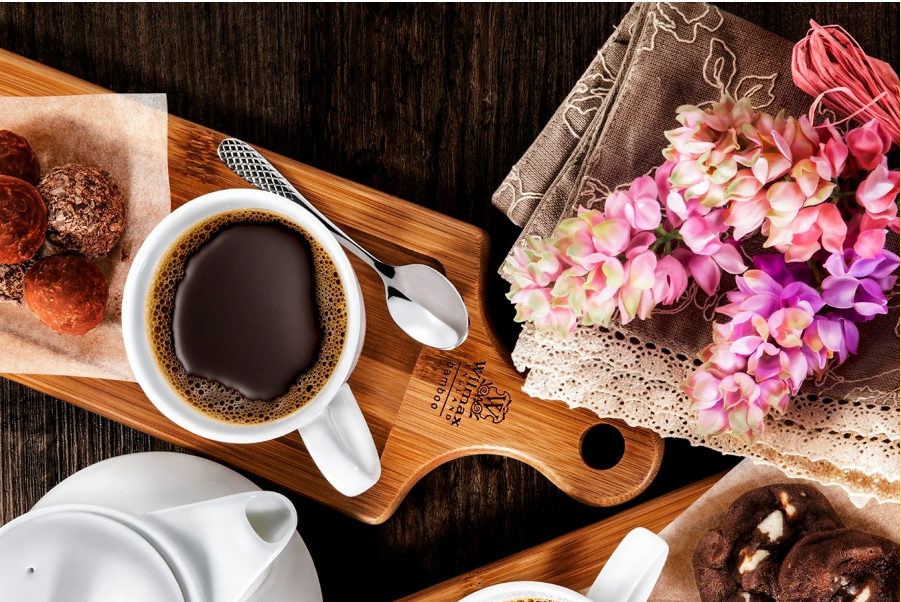
Wood tables, textured linens, smoked glassware, warm metal flatware, and neutral ceramics support this softer aesthetic. They create an environment in which negative space feels intentional rather than empty.
The entire dining scene becomes part of the presentation. The plate is minimalist, but the experience is layered.
📸 Why Warm Minimalism Works So Well in Food Photography
This new plating style is also well suited to modern food photography. Negative space gives the camera a clear subject, while earthy ceramics and natural textures prevent the image from feeling empty.
Soft shadows, shallow depth of field, visible steam, warm backgrounds, and subtle table details make the dish feel part of a real dining moment. The photography still looks elevated, but it also feels approachable.
That balance matters. Diners are drawn to food images that feel aspirational but believable. They want to imagine themselves eating the dish, not simply admiring it through museum glass.
Warm minimalism photographs beautifully because it combines focus with atmosphere. There is enough space for the dish to stand out and enough warmth for the viewer to feel invited in.
👨🍳 How Restaurants Can Use the New Minimalist Plating Style
Restaurants do not need to redesign every dish or replace all their tableware to embrace warmer minimalist plating. Small changes can make a dramatic difference.
🌿 Simple ways to make minimalist plating feel warmer
```Choose softer plate colors. Replace stark white with ivory, sand, smoke, olive, or warm gray where appropriate.
Use one strong focal point. Build the composition around a beautifully cooked central ingredient rather than several competing ideas.
Add natural movement. Let sauces flow, herbs bend, and vegetables form relaxed clusters.
Prioritize texture. Combine crisp, creamy, glossy, charred, and tender elements to create depth.
Keep garnishes functional. Every decorative element should contribute flavor, aroma, or texture.
Leave breathing room, not emptiness. The plate should feel composed and complete, not unfinished.
Consider the full table. Lighting, flatware, linens, and the tabletop should support the visual mood of the dish.
```🏡 The Same Trend Is Reaching Home Tables
Home cooks are also embracing a softer form of minimal food presentation. The appeal is understandable: it makes everyday meals look special without requiring tweezers, squeeze bottles, or the emotional resilience needed to arrange twelve identical sauce dots.
A shallow ceramic bowl, one neatly arranged main dish, a spoonful of sauce, a few fresh herbs, and some visible plate space can make a simple dinner feel restaurant-worthy.
The key is to avoid overloading the plate. Instead of adding more ingredients, home cooks can focus on shape, contrast, texture, and placement. A beautiful bowl of pasta does not need six garnishes. It may need only grated cheese, good olive oil, cracked pepper, and enough space around the edges to look intentional.
Warm minimalism is forgiving because it values personality. The plate does not have to be perfectly symmetrical. In fact, it is probably better if it is not.
⚖️ The Difference Between Minimal and Empty
The most important principle in minimalist plating is that empty space must feel intentional. There is a difference between a composition with breathing room and a plate that simply looks underpopulated.
Good negative space directs the eye toward the food. It supports proportion, strengthens contrast, and creates calm. Poor negative space makes the dish look lost.
The difference often comes down to scale. The food should have enough visual weight to anchor the plate. The plate should be large enough to frame the composition but not so large that dinner appears to have been abandoned in the middle of a ceramic desert.
Warm colors, textured surfaces, purposeful sauces, and thoughtful placement help maintain that balance.
Minimalist plating should make the diner think, “How beautiful,” not, “Did something fall off on the way from the kitchen?”
🔮 The Future of Minimalist Food Presentation
The future of minimalist plating is likely to become even more sensory and material-driven. Chefs will continue using fewer elements, but those elements will carry more texture, stronger flavor, and greater visual personality.
Plates will remain open and composed, but the surfaces beneath the food will become warmer, more handcrafted, and more connected to the atmosphere of the restaurant. Natural materials, subtle imperfections, seasonal colors, and tactile finishes will continue replacing the polished uniformity of earlier minimalism.
Most importantly, the new style recognizes that elegance and hospitality are not opposites. Food can be precise without feeling severe. A plate can be quiet without being cold. Negative space can create luxury without creating distance.
Minimalist plating has not disappeared. It has simply turned down the fluorescent lights, added a handmade ceramic plate, and remembered that dinner is supposed to feel good.
📝 Final Bite
The new minimalist plating trend proves that negative space does not have to feel cold. By combining open compositions with warm ceramics, earthy colors, organic shapes, natural garnishes, and generous textures, chefs are creating plates that feel refined and welcoming at the same time.
The food still has room to breathe. It just no longer looks like it wants to be left alone.