📸 Restaurants Are Becoming Content Sets

Why the dining room now has to look as good on camera as the food tastes on the plate.
Once upon a time, a restaurant dining room had one fairly straightforward assignment: make people want to sit in it.
Comfortable chairs? Excellent.
Tables that don't wobble? Revolutionary.
Lighting flattering enough that everyone at the table looks reasonably well-rested? Five stars already.
But today's restaurant interior has quietly acquired another job.
It has to perform for the camera.
Diners walk through the door carrying remarkably capable cameras in their pockets. Dinner may become an Instagram Story before the appetizers arrive, a TikTok before dessert, a group photo before anybody remembers to ask for water and a saved Pinterest reference before the check hits the table.
The dining room is no longer only the setting for the meal.
It is part of the content.
“The modern restaurant doesn't just need a good table. It needs a table somebody instinctively wants to photograph.” 📱
🎬 The Dining Room Has Entered the Frame
Food has always been visual.
What has changed is the size of the frame.
A beautiful plate used to be enough. Today, when someone raises a phone above the table, the photograph may capture the plate, glassware, napkin, tabletop, chair upholstery, person sitting opposite, pendant light and half the bar.
Suddenly everything is art direction.
That tiny bottle of hot sauce? Art direction.
The water glass? Art direction.
The forgotten laminated QR-code card leaning sadly against the salt shaker?
Unfortunately, also art direction.
This expanded visual field is changing the way successful restaurants think about interior design. Instead of treating architecture, tableware, plating and branding as separate decisions, the strongest concepts increasingly make them feel like parts of the same visual language.
📱 Every Guest Is a Tiny Media Company Now
There is something wonderfully strange about modern dining.
A guest can walk into a restaurant, spend $60 on dinner and accidentally produce advertising for the restaurant while waiting for dessert.
They photograph the entrance.
They film the cocktail arriving.
They capture the pasta twirl.
They photograph the bathroom mirror.
Then somebody who has never been within 500 miles of the restaurant sees the video and adds the place to a saved collection titled NYC 🍸✨.
That changes the value of a visually memorable dining room.
A restaurant's interior isn't only communicating with the people currently inside it. Every photograph potentially carries that interior outside the building.
And unlike traditional advertising, guest-created content tends to show the restaurant as an experience rather than an advertisement.
You don't just see a chair.
You see someone sitting there with friends, holding a martini, under excellent lighting, apparently having a significantly more interesting Thursday than you are.
That is powerful.
✨ The New Restaurant Question: “Where's the Shot?”
The smartest camera-friendly restaurant design isn't about covering every wall with flowers or installing twelve neon signs telling guests to Live Laugh Linguine.
It is about creating moments.
📸 A restaurant might have:
✨ A dramatic bar visible immediately from the entrance
✨ A sculptural pendant installation above a communal table
✨ One beautifully upholstered banquette
✨ An architectural wall that naturally frames diners
✨ A memorable plate collection
✨ A dessert trolley that becomes its own event
✨ A spectacular bathroom mirror
✨ One cocktail that practically arrives with its own publicist
None of these elements needs to scream, “PLEASE POST ME.”
In fact, it's usually better when they don't.
The goal is to make photographing the space feel like a natural reaction to something genuinely beautiful.
💡 Lighting Is Now Part Hospitality, Part Cinematography
Few design decisions matter more than restaurant lighting.
People want atmosphere.
People also want to locate their entrée.
Somewhere between “hospital cafeteria” and “Victorian séance” lies the sweet spot.
Camera-friendly restaurant lighting generally benefits from being warm, dimensional and intentional. A glowing table lamp, candle or pendant can create beautiful highlights on glassware and polished flatware while giving the dining room depth.
The goal is not necessarily brightness.
It is useful light.
Light should flatter faces, reveal the food and establish atmosphere without forcing every guest to activate their phone flashlight over the burrata.
💡 The ideal table-lighting test
Can you see the food? Can you see your date? Can you take a photograph without making the risotto look like forensic evidence? Excellent. Carry on.
🍽️ Tableware Is No Longer a Supporting Character
In the camera-ready dining room, tableware matters enormously.
Plates, bowls, glassware and flatware occupy a surprising percentage of restaurant photographs.
They are effectively the set beneath the food.
A beautifully plated dish can lose impact on dinnerware that feels unrelated to the restaurant's identity. Conversely, thoughtfully chosen tableware can make relatively simple food feel remarkably intentional.
| Restaurant Mood | Tableware Direction | Camera Effect |
|---|---|---|
| Modern Minimalist 🤍 | White porcelain, clean profiles | Graphic, crisp and food-focused |
| Warm Mediterranean 🌿 | Textured ceramics, warm neutrals | Relaxed, tactile and abundant |
| Moody Cocktail Bar 🍸 | Smoked glass, metallic details | Reflective, cinematic and dramatic |
| Playful Bistro 🍒 | Color, patterned plates, vintage shapes | Personality and instant recognition |
| Fine Dining ✨ | Architectural porcelain, elegant stemware | Precision, negative space and polish |
The important word here is cohesion.
The plate doesn't necessarily need to match the room.
But it should feel as though the plate and the room have at least met before.
🥂 The Tabletop Has Become a Miniature Content Set
Watch someone photograph dinner and you'll notice something interesting.
They almost never photograph only the plate.
They move the wine glass slightly.
Pull the candle into frame.
Rotate the bread basket.
Tell a friend to move their elbow.
Suddenly the tabletop has become a tiny editorial shoot.
This is why restaurants benefit from thinking about the entire tabletop composition: dinnerware, glassware, linens, cutlery, condiments, menu cards and decorative elements.
🎨 The Camera-Ready Table Formula
1. One strong plate or bowl
2. Glassware that catches light beautifully
3. A tactile linen napkin
4. Flatware with personality
5. One atmospheric element—lamp, candle, flower or small object
6. Enough empty space that dinner does not resemble a crowded garage sale
🎨 Color Is Branding Now
Some restaurants become recognizable online before you even see their logo.
Maybe it's oxblood banquettes.
Butter-yellow walls.
Green marble.
Cobalt glassware.
Checkerboard flooring.
Pink table lamps.
When a visual element repeats consistently through the dining room, menu design and tabletop, it becomes part of the restaurant's identity.
That's enormously useful in an endless social feed.
Recognition happens faster than reading.
A guest scrolling past a photograph may think, “Oh, that's that restaurant with the red lamps.”
Congratulations.
Your lamp is now doing marketing.
🪞 Yes, Even the Bathroom Is Part of the Brand
Somewhere along the way, the restaurant bathroom stopped being simply the place where management hoped nobody would write a review.
It became content.
Statement mirrors, dramatic wallpaper, unusual tile, flattering sconces, custom sinks and bold colors have transformed restrooms into some of the most photographed areas of modern restaurants.
And it makes sense.
The dining room is full of strangers.
The bathroom has a mirror.
Humanity was always going to arrive at this conclusion.
If guests are taking bathroom selfies, the wallpaper is officially part of your marketing department. 🪞✨
🍸 Drinks May Be the Most Photogenic Employees in the Building
Cocktails deserve special attention because they naturally live at the intersection of food, glassware, lighting and theatre.
A beautifully colored drink in distinctive glassware can become visual shorthand for the entire restaurant.
Picture a ruby-red cocktail in a delicate coupe under a tiny amber table lamp.
Technically, it's a beverage.
On camera, it's a lifestyle.
This is one reason interesting stemware, textured tumblers and thoughtful garnishes matter. The vessel shapes the perception of the drink almost as much as the liquid inside it.
🍝 And the Food Still Has to Belong in the Room
The most convincing restaurant concepts create a relationship between food and environment.
Rustic pasta served in tactile ceramic bowls makes sense in an intimate, warm dining room.
Minimal seafood on crisp white porcelain suits an airy coastal interior.
Graphic desserts look dramatic against sleek contemporary tabletops.
The food doesn't have to literally match the wallpaper—that way madness lies—but the visual energy should feel related.
When the room, plate and menu speak the same design language, a random guest photograph begins to look remarkably close to branded content.
📐 Designing for Vertical Video Changes Things
For years, restaurant photography emphasized wide horizontal images of entire dining rooms.
Phones changed the composition.
Much of today's restaurant content is experienced vertically.
That makes tall visual elements surprisingly powerful:
🌿 Hanging greenery
💡 Pendant lights
🪞 Tall mirrors
🍸 Backlit bottle displays
🧱 Textured feature walls
🎨 Large artwork
🏛️ Architectural arches and columns
They create layers behind the subject instead of leaving every guest framed against a mysterious beige wall and an emergency exit sign.
🌿 Texture May Matter More Than Decoration
Photogenic doesn't have to mean colorful.
Some of the most compelling restaurant interiors rely on texture instead:
Plaster walls.
Veined stone.
Brushed metal.
Linen.
Wood grain.
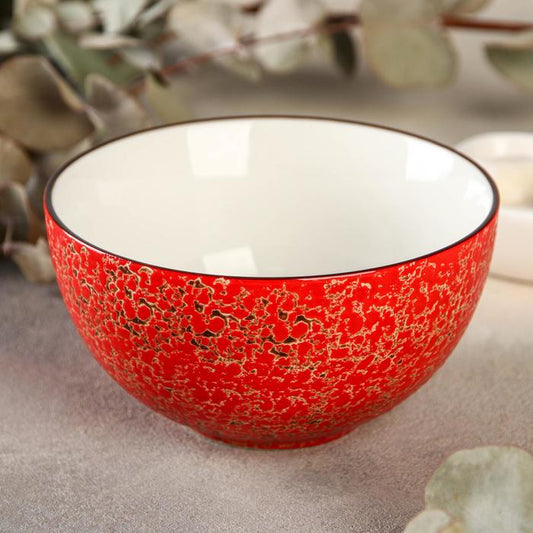
Reactive-glaze ceramics.
These materials interact beautifully with light and give photographs depth without demanding attention.
They also tend to age more gracefully than a room constructed around whatever happens to be trending for seven minutes on social media.
🚫 The Problem With Designing Only for Instagram
There is, however, a trap.
A restaurant can become so focused on producing photographs that it forgets to produce hospitality.
The chair still needs to be comfortable.
The table still needs enough room for dinner.
Guests should be able to have a conversation.
Servers need to move through the room.
And if everybody has to squeeze themselves between a decorative tree and a velvet curtain to reach their seat because “it photographs beautifully,” perhaps we have gone too far.
Great hospitality design works in two dimensions and three.
It should photograph beautifully, yes.
But it should also feel good when the phone goes back into someone's pocket.
✅ The Better Goal
Don't create a restaurant that looks like a content set. Create a wonderful restaurant that happens to produce beautiful content.
👀 The Anti-Instagram Restaurant Can Be Photogenic Too
Interestingly, camera-friendly design doesn't have to look polished or overtly luxurious.
In fact, personality may be more valuable than perfection.
A tiny neighborhood restaurant with mismatched vintage plates, handwritten menus and slightly crooked artwork may be far more memorable than a perfectly coordinated dining room copied from a design mood board.
Why?
Because the camera likes character.
Distinctive spaces give people something to remember.
The goal isn't necessarily “Instagrammable.”
The better word may be recognizable.
🧠 Recognition Beats Random Beauty
Imagine seeing five restaurant photographs in a feed.
Four feature pretty neutral interiors.
The fifth has a distinctive tiled bar, burgundy banquettes, tiny cream lamps and cobalt-rimmed plates.
Which one are you more likely to remember?
This is where interior design begins behaving like branding.
A recognizable palette, recurring material or signature tabletop element can create visual continuity across hundreds of unrelated photographs made by different guests on different phones.
That's remarkably useful.
🎭 The Best Restaurants Give Guests a Scene to Enter
Ultimately, this isn't really about social media.
It's about experience.
People have always loved restaurants that temporarily transport them somewhere else.
A Parisian-style bistro.
A glowing Japanese listening bar.
A breezy Mediterranean terrace.
A glamorous New York dining room where everybody mysteriously appears to own a very good coat.
Cameras simply made that transformation visible to everyone outside the room.
The strongest restaurant spaces invite guests into a story.
The photograph becomes proof that they were briefly part of it.
🍽️ Five Details That Can Transform the Camera View
Plates and bowls appear in nearly every food photograph. Treat them as part of the interior palette, not an afterthought.
Combine ambient light with smaller sources at table height to add warmth, depth and flattering highlights.
A wall, banquette, bar or architectural detail can quietly identify the restaurant in guest photos.
Glass catches light beautifully and can add color, height and sparkle without crowding the table.
The detail guests remember is often the one they didn't expect—a lamp, mural, menu holder, serving cart, sculptural object or wonderfully strange bathroom.
🎥 From Dinner to Content in About Seven Seconds
Consider the journey of one plate of pasta.
It leaves the kitchen.
The server places it on a textured ceramic plate.
The plate lands on a dark wood table beside a linen napkin, amber water glass and tiny rechargeable lamp.
Somebody sees the steam.
Phone comes out.
Camera opens.
Seven seconds later, the restaurant has a new piece of content it didn't commission, schedule, photograph or publish.
That's the extraordinary thing about today's dining room.
Every surface has the potential to leave the building digitally.
✨ The Bigger Shift: Restaurants Are Becoming Visual Worlds
The most interesting restaurant design today isn't simply decorative.
It's holistic.
Food, interiors, uniforms, menus, tableware, lighting, music, cocktails and even the restroom can contribute to one recognizable world.
That world needs to function operationally.
It needs to feel welcoming.
It needs to survive Saturday night service.
And increasingly, it needs to survive the front-facing camera.
But when all of those pieces work together, something interesting happens:
Guests don't simply photograph the restaurant.
They recognize it.
📸 Final Take: The Camera Is Now an Invisible Guest
Restaurants don't need to become studios.
They don't need selfie walls in every corner.
They certainly don't need another neon sign.
What they do need is awareness that the dining experience now travels far beyond the dining room.
The beautifully glazed bowl beneath the pasta matters.
The little lamp beside the martini matters.
The upholstery behind the birthday photo matters.
The strange mirror in the bathroom apparently matters quite a lot.
Together, those details create something larger than an attractive restaurant.
They create an experience people want to capture, remember and share.
And in an industry where the next guest may discover your restaurant through the previous guest's camera roll, that's no small thing.
The dining room is still a dining room. 🍽️
It just happens to have a few thousand potential viewers outside the door now. 📸✨