The High-Low Plate: Why Cheap Comfort Foods Are Getting Fine-Dining Presentation

🍔 Noodles, burgers, fries, chicken bites, and dips are being styled with chef-level detail — proving that inexpensive ingredients can still arrive looking ready for a tasting menu.
Once upon a time, fries were dumped into a basket, chicken bites arrived in a paper-lined tray, and noodles were expected to look like noodles rather than a carefully composed architectural study. Then chefs discovered tweezers, handmade ceramics, and the dramatic power of placing sauce slightly off-center. Comfort food has not been the same since.
Across modern menus, inexpensive and familiar foods are receiving the kind of visual attention once reserved for scallops, truffles, and things described as “an interpretation of the forest.” A smashed burger is served on a stoneware plate with glossy sauce painted beneath it. French fries stand upright in a sculptural cup beside house-made aioli. Instant-style noodles arrive in a wide ceramic bowl with a jammy egg, delicate herbs, crispy shallots, and broth poured tableside as though the noodles have recently inherited property.
This is the rise of the high-low plate: food that is casual in spirit, affordable at its core, and polished with fine-dining presentation. It combines the emotional appeal of comfort food with the visual precision of chef-driven cuisine. The ingredients may be humble, but the plating has ambitions.
The result is a style of dining that feels indulgent without becoming intimidating. Guests recognize the burger, noodles, fries, crispy chicken, or creamy dip in front of them. They simply have not seen it looking quite so moisturized.
🍽️ What Exactly Is the High-Low Food Trend?
High-low dining is built around contrast. It pairs something familiar, inexpensive, nostalgic, or intentionally casual with a level of technique and presentation that feels elevated. The pleasure comes from seeing an everyday food treated as though it deserves attention — because, of course, it does.
A bowl of noodles may be inexpensive, but the broth can be deeply layered. A potato may be humble, but it can be twice-fried, delicately seasoned, and arranged with geometric confidence. Chicken bites may sound like children’s-menu territory, but add a glossy glaze, a fermented chili dip, fresh herbs, and a handmade plate, and suddenly they are “crispy boneless chicken with cultured pepper emulsion.”
Same chicken. Better publicist.
✨ The high-low plate turns ordinary food into an experience without removing the comfort, familiarity, or fun that made people love it in the first place.
🍔 Why Familiar Foods Are Perfect for Fine-Dining Presentation
Comfort food already has an enormous advantage: people understand it. A guest does not need a detailed explanation of why a burger might be enjoyable. Fries require no introduction. Noodles have excellent brand recognition. Dips have spent years quietly proving that almost anything improves when dragged through a creamy sauce.
Because the food itself is familiar, chefs have more freedom to experiment with presentation. The plate can be surprising without the dish becoming confusing. Guests know what they are looking at, even when the burger arrives under a glass cloche or the fries are presented like a tiny edible bouquet.
This balance is crucial. Fine dining can occasionally ask a lot of its audience. There are foams to interpret, gels to identify, and portions that appear to have been measured by someone with a grudge. High-low dining removes some of that tension. The food feels approachable, but the details still provide a sense of ceremony.
You are not wondering whether you will enjoy it. You are wondering how something so familiar became so photogenic.
🍜 Noodles: From Late-Night Staple to Ceramic-Bowl Masterpiece
Few foods demonstrate the high-low trend better than noodles. They are affordable, comforting, globally loved, and perfectly designed to carry broth, sauce, spice, and toppings. They are also visually flexible, provided someone resists the temptation to simply drop them into a bowl and hope for the best.
On elevated menus, noodles are arranged with deliberate height and movement. Long strands are twisted into neat bundles. Broth is poured around them rather than over them. Toppings are placed in distinct sections so every ingredient remains visible: a glossy egg, roasted mushrooms, scallions, sliced protein, chili oil, sesame, citrus, and a small herb leaf that has clearly attended culinary school.
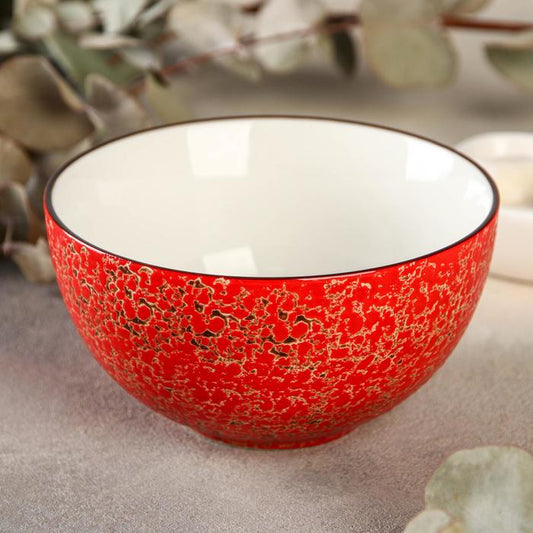
The bowl matters too. Wide-rimmed stoneware, speckled ceramics, matte black finishes, and handmade textures give an inexpensive noodle dish a sense of permanence and craft. Suddenly, a pantry staple looks thoughtful, intentional, and expensive enough to make diners sit up straighter.
A noodle bowl does not need rare ingredients to look luxurious. It needs contrast, structure, a beautiful vessel, and someone willing to wipe the rim before service.
🍔 Burgers Are Entering Their Plated Era
Burgers have always been capable of drama. They arrive stacked, glossy, and structurally optimistic. Fine-dining presentation simply gives that drama better lighting.
The modern chef-styled burger is carefully proportioned rather than overloaded. The bun is toasted and lacquered. The patty has crisp, deeply browned edges. Cheese melts where it is supposed to melt instead of fleeing the plate. Pickles, slaw, herbs, and sauces add color without turning the entire construction into a small landslide.
Presentation may include a wide ceramic plate, a swipe of house sauce, a tiny pile of seasoned pickles, or a neatly arranged side of fries. Some restaurants use metal skewers, branded picks, or individual sauce vessels. Others keep the plate minimal and allow the burger’s shape and color to do the work.
The strongest versions avoid the old “more is more” burger aesthetic. There is no need for five patties, twelve onion rings, and a milkshake balanced on top like a cry for help. High-low plating makes the burger look refined without making it unrecognizable.
🍟 Fries Are No Longer Just the Side Character
French fries have spent decades supporting burgers, sandwiches, and steaks without demanding much attention. That era of quiet service is ending. Fries are moving to the center of the table with their own toppings, seasonings, dips, serving vessels, and emotional support systems.
Chef-level fries may be dusted with spice blends, grated cheese, seaweed powder, smoked salt, or finely chopped herbs. They might arrive beside truffle aioli, fermented pepper ketchup, curry mayonnaise, garlic yogurt, or a glossy cheese sauce served in a miniature copper pot because apparently the sauce has investments.
The presentation is often vertical. Fries stand upright in ceramic cups, metal cones, or narrow bowls that create height. Loaded versions are spread across shallow plates so toppings remain evenly distributed and every fry has a reasonable chance of participating.
Even the simplest fries benefit from thoughtful plating. Crisp edges, a clean vessel, a contrasting dip, and a few carefully placed herbs can turn potatoes into a signature menu item rather than an automatic side order.
🍗 Chicken Bites Are Getting the Tasting-Menu Treatment
Chicken bites, nuggets, wings, and boneless pieces have become ideal vehicles for polished casual dining. They deliver crunch, sauce, and shareability — three qualities that rarely struggle to find an audience.
In their elevated form, the chicken pieces are crisp, evenly sized, and glazed rather than drowned. They may be stacked in a small tower, arranged along a curved plate, or nestled beside contrasting sauces. Garnishes such as sesame, scallions, cilantro, edible flowers, pickled chilies, or citrus zest add color and freshness.
The sauces often do the heavy lifting. A familiar chicken bite becomes restaurant-specific when paired with miso ranch, hot honey, green herb aioli, tamarind glaze, smoked chili butter, or a cultured yogurt dip. Diners get the comfort of crispy chicken and the novelty of a sauce they cannot find in the supermarket aisle next to the dinosaur-shaped nuggets.
This is where high-low presentation becomes especially effective. The dish still feels fun and generous, but the details communicate craft.
🥣 Dips Have Quietly Become the Main Event
Dips were once treated as accessories: something placed in a ramekin at the edge of a plate and forgotten until the fries arrived. Now they are receiving full chef-level attention, often served as standalone dishes with layered garnishes and carefully chosen accompaniments.
Whipped feta, smoky eggplant, hummus, queso, labneh, bean purées, ranch-style sauces, and warm cheese dips can all become visually striking when spread across a shallow bowl and finished with olive oil, toasted seeds, herbs, spice, roasted vegetables, or crisp crumbs.
Instead of presenting a smooth beige substance and asking guests to trust the process, chefs create contrast. A pale dip might be topped with bright herbs, red chili oil, green pistachios, purple onions, or golden breadcrumbs. Flatbread, chips, vegetables, or fries are arranged around it with enough precision to suggest that every cracker received an assigned seat.
The dip is no longer an afterthought. It is communal, tactile, customizable, and highly photogenic. It is also an excellent excuse to order more bread, which remains one of civilization’s more dependable decisions.
🎨 The Chef-Level Details That Make Cheap Food Look Expensive
Elevating comfort food does not necessarily require expensive ingredients. It requires editing. The best high-low plates are carefully composed without looking overly controlled. They use color, height, texture, negative space, and serving pieces to guide the eye.
✨ The High-Low Plating Toolkit
The goal is not to decorate every available surface. A plate covered in twelve sauces, nine flowers, and a small shrub does not necessarily look refined. Often, one strong garnish and one contrasting sauce are enough.
Fine-dining presentation is as much about restraint as embellishment. It knows when to add one more crispy shallot and when to put the tweezers down.
📸 Why the High-Low Plate Works So Well Online
There is an obvious visual reason this trend thrives: people enjoy seeing familiar food presented in an unexpected way. A beautifully plated burger is instantly understandable but still visually surprising. It creates the satisfying reaction of, “I know what that is, and I would like to know why it looks better than I do.”
Comfort foods also have natural visual advantages. Burgers have layers. Noodles have movement. Fries create lines and height. Chicken bites have texture. Dips provide smooth surfaces for colorful garnishes. They are highly recognizable shapes that photograph well when the lighting, plate, and styling support them.
The high-low plate is shareable because it tells a story in a single image. It says familiar but different, casual but polished, affordable but special. That combination is powerful for restaurant menus, editorial food photography, social media, and hospitality marketing.
💰 Affordable Ingredients, Premium Perception
The high-low approach also makes practical sense. Restaurants can build memorable dishes around affordable, dependable ingredients while using technique, sauce development, garnishes, and presentation to create value.
Potatoes, noodles, ground meat, chicken, bread, beans, and cultured dairy are not traditionally luxury ingredients. But they are flexible, flavorful, and widely loved. When prepared carefully and served beautifully, they can feel special without requiring the menu price of rare seafood or premium steak.
Guests are not paying only for the raw ingredient. They are responding to the complete experience: texture, seasoning, craftsmanship, atmosphere, tableware, plating, and the pleasure of receiving something familiar in a more thoughtful form.
The plate says, “Yes, these are fries. But they have been considered.”
🏡 How to Create the High-Low Look at Home
Home cooks can borrow the same approach without purchasing culinary tweezers or announcing a seven-course nugget experience. The easiest place to begin is with the plate itself. Choose a simple ceramic bowl or wide plate with enough open space to frame the food.
Next, give the dish a clear focal point. Twist noodles into a neat mound instead of spreading them across the bowl. Stack chicken pieces rather than scattering them. Place the burger slightly off-center with a compact serving of fries. Spread a dip smoothly and finish it with one colorful topping.
Add contrast with ingredients you may already have: chopped herbs, chili oil, toasted seeds, pickled onions, lemon zest, black pepper, crispy breadcrumbs, or a spoonful of yogurt. Wipe the edge of the plate. Use natural light. Try not to eat the garnish before taking the photograph.
The difference between “weeknight noodles” and “chef-inspired noodles” may be one beautiful bowl, a clean rim, and scallions cut with suspicious confidence.
🔮 Why the High-Low Plate Is More Than a Passing Trend
The high-low plate reflects a broader change in how diners define luxury. Luxury no longer has to mean rare ingredients, rigid formality, or a waiter quietly describing the emotional life of a beet. It can mean care, creativity, craftsmanship, and attention to detail.
A beautifully made bowl of noodles can feel luxurious. So can perfect fries with an exceptional dip. So can a burger with crisp edges, balanced toppings, and a bun that has clearly been briefed on the importance of structure.
This is why humble comfort foods will continue appearing in polished dining rooms and chef-driven concepts. They are emotionally familiar, financially approachable, and endlessly adaptable. Most importantly, they remind diners that good food does not have to be serious to deserve serious technique.
The future of fine presentation may not be a tiny piece of luxury protein on an enormous white plate. It may be a bowl of noodles, a stack of chicken bites, or a beautifully composed serving of fries — familiar food finally receiving the spotlight it has earned.
📝 Final Bite
The high-low food trend is transforming the way restaurants present noodles, burgers, fries, chicken bites, dips, and other inexpensive comfort foods. By combining familiar flavors with thoughtful plating, beautiful tableware, layered textures, and signature sauces, chefs are proving that luxury is often less about cost than care.
So let the fries stand tall. Give the dip a dramatic swirl. Place the noodles in a handmade bowl and garnish them like they have somewhere important to be. Cheap comfort food is no longer hiding at the edge of the menu. It has been plated, polished, and promoted to the main event.