🦪 The Seafood Wine Bar Is Having a Moment

Why oysters, crudo, conservas, chilled shellfish and small plates might just be the perfect companions to a very good glass of wine.
```Somewhere between the traditional oyster bar and the serious neighborhood wine bar, a very attractive new restaurant personality has emerged.
It has cold white wine.
It has oysters.
It has a tiny plate of anchovies that somehow costs more than your childhood lunch budget and yet feels completely justified.
There may be crudo. There will almost certainly be excellent bread. Someone nearby is discussing minerality.
Welcome to the seafood wine bar—one of the most appealing formats in contemporary casual dining.
These restaurants are pairing the relaxed, snackable energy of small-plate dining with the bright, briny flavors of seafood and the built-in social ritual of sharing a bottle of wine.
And the combination makes almost suspiciously good sense.
“A dozen oysters, a chilled bottle of white and three tiny plates you definitely did not intend to order is not dinner planning. It is a lifestyle.”
🐚 Why Seafood and Wine Just Get Each Other
Seafood and wine have always had a natural relationship.
Many seafood dishes are delicate, saline, citrusy or buttery, which makes them especially compatible with wines that offer acidity, freshness and mineral character.
Oysters love crisp white wine.
Crudo loves something bright and aromatic.
Richer fish can handle fuller whites, rosé and even light reds.
Fried seafood loves sparkling wine because, frankly, sparkling wine improves most situations.
Put all of that into a casual small-plate format and suddenly wine pairing becomes playful rather than intimidating.
Nobody needs to commit to a giant entrée and one “correct” bottle.
Order three plates. Try two glasses. Steal one oyster from your friend's tray. Debate whether you need the smoked trout dip.
You need the smoked trout dip.
🍷 Small Plates Make Wine More Fun
One of the biggest reasons this restaurant format works so well is that small plates naturally encourage exploration.
Instead of ordering one appetizer, one entrée and going home politely full, guests can build the evening gradually.
🥂 The Seafood Wine Bar Rhythm
```Start with oysters.
Add crudo.
Order a plate of mussels or anchovies.
Decide bread is now essential.
Order another glass.
Somehow end up eating dessert even though nobody officially ordered dinner.
```That flexibility creates a more social dining experience.
The meal becomes a sequence instead of a schedule.
🦪 Oysters Are Basically the Perfect Wine-Bar Food
Oysters may be the ultimate seafood wine-bar ingredient.
They're elegant without being formal, luxurious without being heavy and interactive without requiring the guest to assemble anything involving six dipping sauces.
A tray of oysters arrives cold, glistening and architectural.
Add lemon, mignonette and a chilled glass of white wine and the whole table suddenly looks like it has vacation plans.
🍾 Oyster-Friendly Pour Ideas
```🥂 Sparkling wine
🍋 Crisp Sauvignon Blanc
🌊 Mineral-driven Muscadet-style whites
🍏 Dry Riesling
🌿 Bright, saline coastal whites
```Even better from a restaurant perspective: oysters naturally encourage repeat orders.
Six seems restrained.
Twelve seems civilized.
After that, mathematics becomes less important.
🐟 Crudo Is the Seafood Wine Bar's Main Character
If oysters set the mood, crudo gives chefs room to show personality.
Thinly sliced fish can be paired with citrus, chili, herbs, olive oil, fermented ingredients, fruit or flavored salts.
The result can feel precise and refined while remaining refreshingly simple.
Crudo also photographs beautifully—which matters in a restaurant world where an attractive plate can become part menu item, part social-media advertisement.
Think translucent slices of fish arranged on a wide pale plate, bright green oil, tiny slices of chili and a few citrus segments.
That's not merely lunch.
That's excellent lighting with protein.
🥫 Conservas Made Tinned Seafood Chic
One of the most interesting shifts in modern seafood dining is the elevation of preserved seafood.
Sardines, anchovies, mussels, tuna, octopus and other preserved specialties are increasingly treated not as pantry backups, but as beautiful ingredients worth serving intentionally.
In the right setting, a tin of excellent mussels with bread, butter, citrus and pickles can feel every bit as sophisticated as a complicated plated appetizer.
It also aligns perfectly with the wine-bar philosophy: open, share, sip, repeat.
🥖 The Conservas Board
```🐟 Sardines or mackerel
🦪 Preserved mussels
🍋 Lemon wedges
🧈 Good butter
🥒 Pickled vegetables
🥖 Excellent bread, ideally the kind people pretend they're only having one piece of
```🍤 Hot Seafood Still Belongs at the Party
The seafood wine bar isn't entirely chilled plates and tasteful raw fish.
A few warm dishes make the menu more satisfying and give diners different textures to move between.
Crispy calamari.
Garlic shrimp.
Grilled octopus.
Buttered clams.
Smoked fish croquettes.
Fried oysters.
These richer dishes keep the menu from feeling too delicate and pair beautifully with bubbles, rosé and textured whites.
Also, every wine bar eventually needs something fried.
This is simply science.
🍽️ Why Small Plates Are Perfect for Seafood
Seafood is particularly well suited to the small-plate format because its flavors can be delicate, distinctive and varied.
A guest may not want an enormous plate of smoked mackerel.
But three perfect bites?
Absolutely.
Small portions allow restaurants to introduce more varieties of seafood without asking diners to commit to one big dish.
That creates discovery.
Someone who always orders salmon might try sardines.
Someone suspicious of anchovies might discover that excellent anchovies are a completely different species from the ones haunting bad pizza memories.
Small plates make adventurous eating feel low-risk.
🎨 Seafood Might Be the Most Tableware-Friendly Food Category
From a visual standpoint, seafood gives restaurants an extraordinary color palette.
Coral shrimp.
Silvery sardines.
Pearl-white oysters.
Ruby tuna.
Orange salmon.
Bright green herbs.
Yellow citrus.
Pair those colors with thoughtful dinnerware and the plate can become almost painterly.
🎨 Tableware That Loves Seafood
```🤍 Crisp white porcelain
Ideal for colorful crudo, oysters and composed seafood plates where maximum contrast matters.
🌊 Ocean blue ceramics
Natural fit for coastal concepts, shellfish and Mediterranean-inspired dishes.
🏖️ Sand and stone tones
Creates a relaxed, natural backdrop for grilled fish, sardines and conservas.
🩵 Pale celadon or seafoam
Beautiful with salmon, shrimp, citrus and fresh herbs.
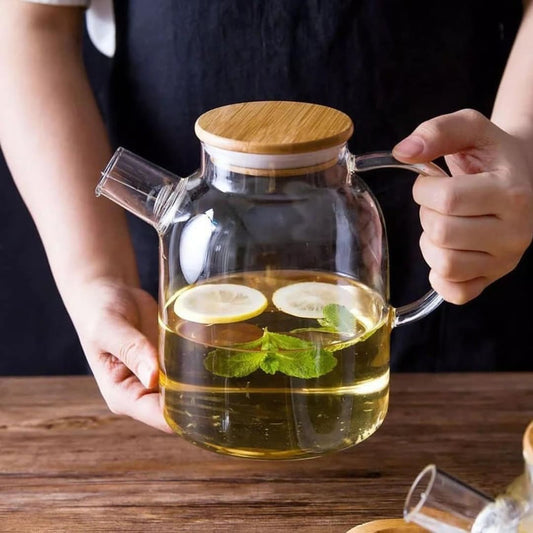
🫧 Clear glass
Perfect for ceviche, seafood cocktails and chilled preparations where translucency becomes part of the presentation.
🦪 The Oyster Plate Deserves Better
Few foods create more visual drama with less effort than oysters.
But presentation can make the difference between “raw shellfish” and “we should order another bottle.”
Wide platters, textured porcelain, footed seafood stands and shallow bowls filled with crushed ice all reinforce the sense of occasion.
Add small ramekins for mignonette, lemon and hot sauce and suddenly the table feels abundant without actually being crowded.
Seafood presentation is essentially interior design, except you can eat it.
🍷 The Wine List Doesn't Need to Be Intimidating
Part of what makes the modern seafood wine bar feel approachable is a shift away from the intimidating wine-list experience.
Guests increasingly want useful descriptions rather than an exam.
“Crisp, mineral, salty finish” is helpful.
A paragraph that reads like the wine was raised by Benedictine monks and educated in Burgundy before discovering itself emotionally in 2017?
Perhaps less necessary.
Seafood-driven menus make it easy to organize wine around flavor:
| Seafood Style | Wine Direction | Why It Works |
|---|---|---|
| Oysters 🦪 | Crisp whites / sparkling | Acidity complements briny freshness |
| Crudo 🐟 | Mineral whites / dry rosé | Freshness preserves delicate flavors |
| Fried Seafood 🍤 | Sparkling wine | Bubbles and acidity cut richness |
| Smoked Fish | Aromatic whites | Aromatics stand up to smoky flavors |
| Grilled Octopus 🐙 | Rosé / light red | Enough structure without overwhelming seafood |
🥖 Bread Is Secretly One of the Most Important Menu Items
Nobody goes to a seafood wine bar for bread.
And yet somehow everyone remembers the bread.
Excellent sourdough, focaccia or baguette becomes the bridge between dishes.
It catches the olive oil from the sardines.
It carries smoked fish spread.
It absorbs the broth from mussels.
It makes the tiny anchovy plate feel like an actual course.
In a small-plate restaurant, bread isn't filler.
It is infrastructure.
🍋 Citrus Is Doing a Lot of Heavy Lifting
Seafood wine bars tend to have another ingredient quietly appearing everywhere: citrus.
Lemon, lime, grapefruit, orange and yuzu bring acidity, fragrance and visual brightness to seafood dishes.
Citrus also prevents the menu from feeling too rich when butter, olive oil and fried seafood enter the picture.
And aesthetically?
A wedge of bright yellow lemon beside silver sardines on a blue ceramic plate is doing more design work than some entire restaurant interiors.
🌿 The Best Menus Feel Coastal Without Becoming Themed
There is a fine line between coastal atmosphere and a dining room that appears to have been attacked by decorative anchors.
Modern seafood wine bars tend to choose restraint.
Natural stone.
Pale woods.
Linen.
Soft blue or green accents.
Beautiful glassware.
Ceramic plates with tactile glazes.
The goal isn't “seafood restaurant.”
The goal is “perhaps the ocean is nearby, and perhaps we have excellent taste.”
🥂 Sharing Changes the Entire Mood of the Meal
The seafood wine bar succeeds because the format encourages conversation.
Dishes arrive gradually.
Plates move around the table.
Wine gets poured.
Someone takes the last shrimp and immediately claims they thought nobody wanted it.
Unlike a formal meal where everyone receives their own carefully isolated plate, shared seafood creates interaction.
The table itself becomes part of the experience.
📸 Small Plates Create a Better-Looking Table
There is also a wonderfully practical visual advantage to small-plate restaurants: the table gets more interesting as the meal continues.
A large platter of oysters.
A tiny blue bowl of olives.
A white porcelain plate holding ruby tuna crudo.
A little dish of butter.
A silver tin of mussels.
Tall wine glasses.
Bread in a linen-lined basket.
Suddenly the table looks layered, abundant and editorial.
Nobody deliberately styled it.
Allegedly.
📷 The Perfect Seafood Wine-Bar Table
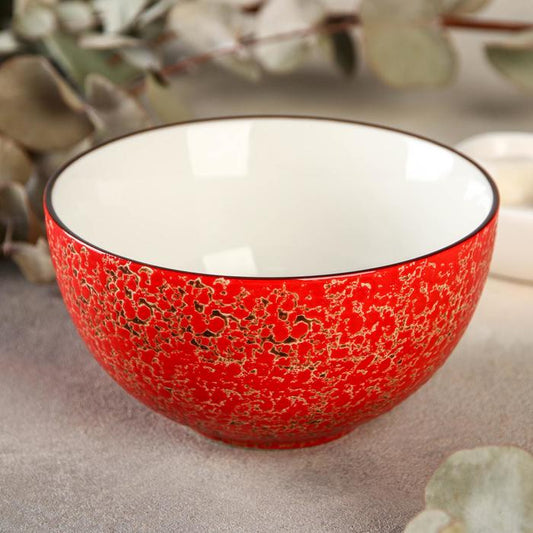
```Oysters on ice + colorful crudo + one excellent ceramic serving bowl + linen napkins + delicate wine glasses + tiny condiment dishes + bread + citrus = a table people photograph before they remember they are hungry.
```🍽️ A Seafood Wine-Bar Menu We'd Happily Order
Tonight's Small Plates
```🦪 Oysters with shallot mignonette
✦
🐟 Yellowtail crudo with citrus and chili
✦
🥫 Conserva mussels with lemon and warm bread
✦
🍤 Crispy shrimp with preserved-lemon aioli
✦
🐙 Grilled octopus with white beans and herbs
✦
🍋 Lemon semifreddo with olive oil and sea salt
```Add a chilled bottle of wine and suddenly nobody is checking the time.
🏠 The Seafood Wine Bar Works at Home Too
You don't need a restaurant reservation to borrow the concept.
In fact, seafood wine-bar entertaining may be one of the easiest ways to host because very little needs to happen at the same time.
🦪 Start with oysters or chilled shrimp.
```🥫 Open one or two excellent tins of seafood.
🥖 Add bread, butter and crackers.
🫒 Put out olives, pickles and almonds.
🍋 Add lots of lemon.
🍾 Chill a bottle of white or sparkling wine.
🍽️ Use a collection of small plates and bowls instead of one giant serving platter.
```Suddenly “we're just having a few things” becomes an entire evening.
✨ The Bigger Trend: Less Formal, More Special
The popularity of seafood wine bars reflects a larger shift in restaurant culture.
Diners still want food to feel special.
They just don't necessarily want special to mean stiff.
A meal can feel luxurious without white tablecloths.
It can feel sophisticated without a six-course tasting menu.
It can simply be:
great seafood + thoughtful wine + beautiful small plates + a table worth lingering over.
That's a remarkably convincing formula.
🌊 Final Bite: Seafood Was Made for the Wine-Bar Treatment
Seafood wine bars work because almost everything about them encourages a lighter, looser, more social kind of dining.
Seafood brings freshness and variety.
Wine brings ritual and discovery.
Small plates turn dinner into conversation.
Beautiful tableware ties the entire experience together.
And nobody has to choose between oysters, crudo and crispy shrimp because the entire point is to order all three.
Sensible?
Debatable.
Delicious?
Very.
Give us oysters, small plates and something cold to pour. 🦪🥂
```The seafood wine bar isn't trying too hard—and that's exactly why it feels so good.